


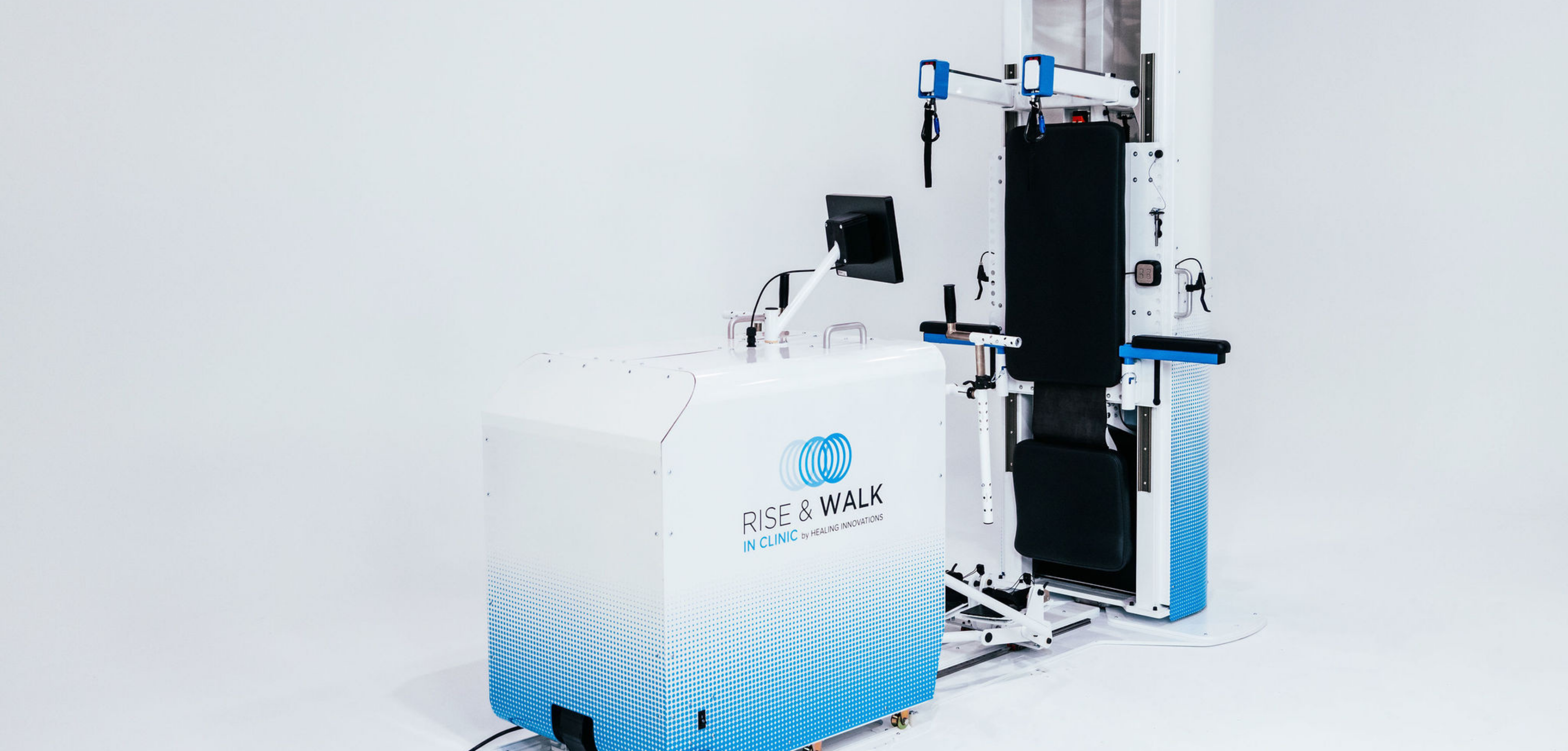
Robotic gait training submissions for budget approval don't always stall for lack of clinical merit. More often, they stall on the questions a hospital's Value Analysis Committee (VAC) asks that have less to do with patient outcomes and a lot to do with fit, cost, and workflow. Often, the clinical champion presenting is more comfortable talking about patient outcomes than fielding those questions on the spot, and when the committee presses on questions the champion hasn't prepared for, the case can fall apart in the room. That gap is usually why even a strong request stalls for months or quietly dies on the table.
Although VACs do want to see clinical merit, they are usually built around supply chain, workflow, and financial conversations, and a champion often only gets one shot to make their case. The full playbook walks through the preparation steps that strengthen that case, so it travels well no matter who's reviewing it. Here's a look at what's inside:
1. Figuring out what kind of approval process you're actually working with
2. Understanding what a VAC is really evaluating, beyond "does it work"
3. Translating your case for a room full of non-clinical stakeholders
4. Preparing for the objections before they're raised
5. Building a champion, a packet, and realistic timeline expectations
That fourth piece, preparing for the objections, is usually where a request either moves forward or stalls out. The full playbook walks through the most common objections VAC members raise, with a specific way to answer each one. Plus, it covers the real numbers on setup, staffing, and training, the exact details a committee tends to ask about once it gets going.
There is also a real cost to sitting on a strong request too long. A cost that has less to do with price and more to do with what a facility quietly loses out on while it waits: patients, outcomes, and momentum a competitor may already be building. The full playbook lays out why that side of the ledger belongs in the packet too, not as a scare tactic, but as part of a complete case.
No amount of preparation turns a multi-stakeholder review into a rubber stamp, and it shouldn't. A good champion doesn't walk in expecting an easy yes. They walk in ready for the questions that are actually going to get asked, which is a very different kind of ready. Getting a strong clinical case through the committee takes more than good evidence, it takes knowing what that room is going to ask, and having an answer ready before they ask them.
Want the complete playbook that includes the full objection-and-answer breakdown, the setup and staffing numbers, and a guide to building your packet from the ground up? Enter your email to get the full guide sent straight to your inbox.
.png)
