NASHVILLE, TN - Healing Innovations, a Nashville-based medical technology company specializing in rehabilitation robotics, has been named one of The Top MedTech Companies of 2026 by The Healthcare Technology Report. The national list recognizes 20 companies, from established manufacturers with decades of history to fast-growing innovators, whose work is shaping the future of medical technology. Healing Innovations was honored alongside some of the most recognized names in the industry, including Dexcom, Teleflex, Terumo, and Inspire Medical Systems.
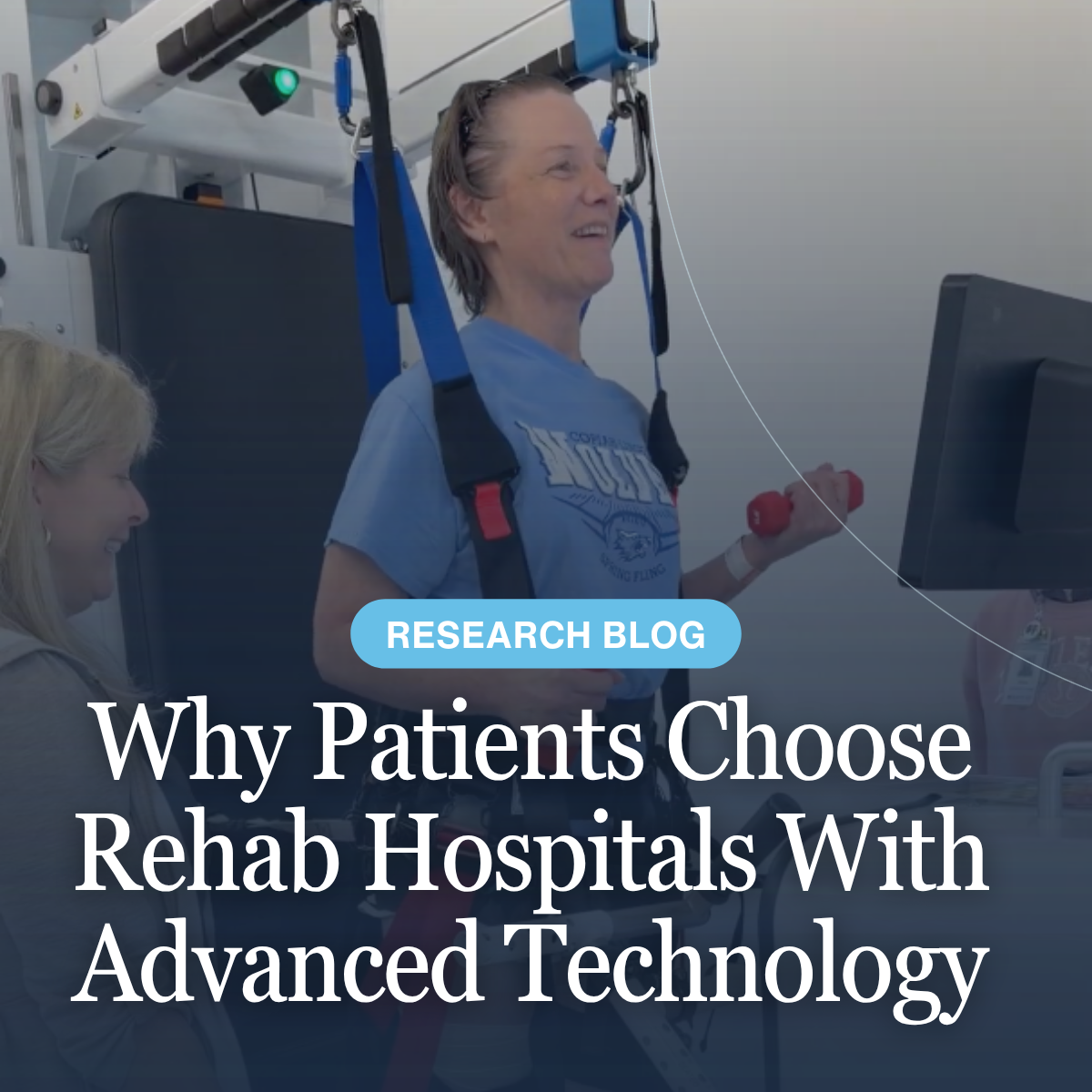
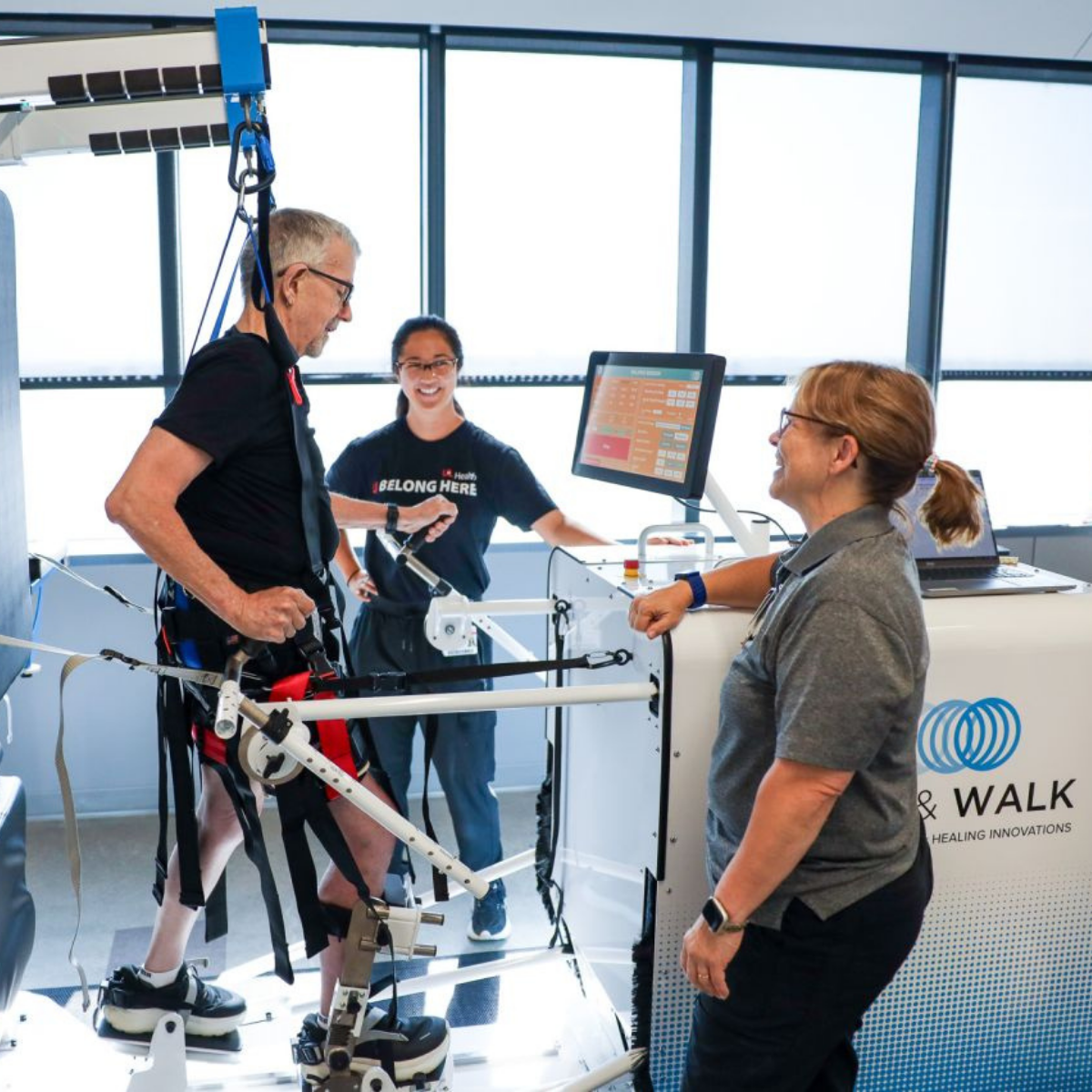
The Healthcare Technology Report highlighted Healing Innovations' flagship product, the Rise&Walk® InClinic, which combines robotic-assisted gait training, seated reciprocal stepping, and standing balance support in one compact station. Rise&Walk allows a single clinician to deliver intensive rehabilitation sessions of 1,500 to 2,000 steps, with real-time tracking of patient exertion that helps therapists adjust training intensity, and its three modes support patients from early standing and weight bearing through active walking. The report also recognized Healing Innovations for designing and manufacturing its systems in the United States.
"Being named one of the top medtech companies in the country is a meaningful validation of what our team and our hospital partners have built together. Rise&Walk was designed to help clinicians deliver more intensive, evidence-based therapy without adding staff or complexity, so patients can safely do more in every session. Seeing that vision recognized on a national stage, alongside some of the most respected companies in our industry, is an honor."
– Luke Benda, CEO, Healing Innovations
The recognition follows a period of significant growth for Healing Innovations. Rise&Walk is now in use at more than 50 rehabilitation facilities nationwide, including leading organizations like Ernest Health, TIRR Memorial Hermann, UofL Health, and Lifepoint Health. The company has also extended it’s reach beyond hospital walls into community-based recovery, partnering with activity-based programs across the country including Project Walk, The 34 Project, and CORE, so that individuals can continue high-intensity rehabilitation training long after discharge.
For patients recovering from stroke, spinal cord injury, brain injury, and other neurological conditions, the amount and intensity of practice during rehabilitation is closely tied to recovery. Rise&Walk is built around that principle, giving clinicians a practical way to deliver high-repetition, high-intensity, activity-based therapy and to individualize each session to a patient's tolerance and goals, all within the workflow of a busy rehabilitation facility. Being named among The Top MedTech Companies of 2026 reflects Healing Innovations' continued momentum as it partners with rehabilitation hospitals and community programs nationwide to bring advanced, evidence-based technology into everyday clinical practice.
About Rise&Walk® InClinic
Rise&Walk® is the world's first 3-in-1 rehabilitation station, combining robotic-assisted gait training, seated reciprocal stepping, and standing balance support in a single compact system. Designed for inpatient and outpatient rehabilitation workflows, Rise&Walk requires minimal staffing, is fast to set up, and supports a wide range of neurological patient populations across all phases of recovery. Its progressive, evidence-based approach allows clinicians to individualize each session to each patient's tolerance and goals, helping patients safely do more in every therapy session.
About Healing Innovations, Inc.
Healing Innovations is an industry leader in lower extremity rehabilitation technology, focused on advancing how clinicians support mobility, independence, and functional recovery for individuals with neurological injury. With U.S.-based engineering and manufacturing, Healing Innovations designs and builds robotic rehabilitation technology informed by the science of neuroplasticity, supporting high-repetition, high-intensity, activity-based therapy aligned with evidence-based rehabilitation principles.